




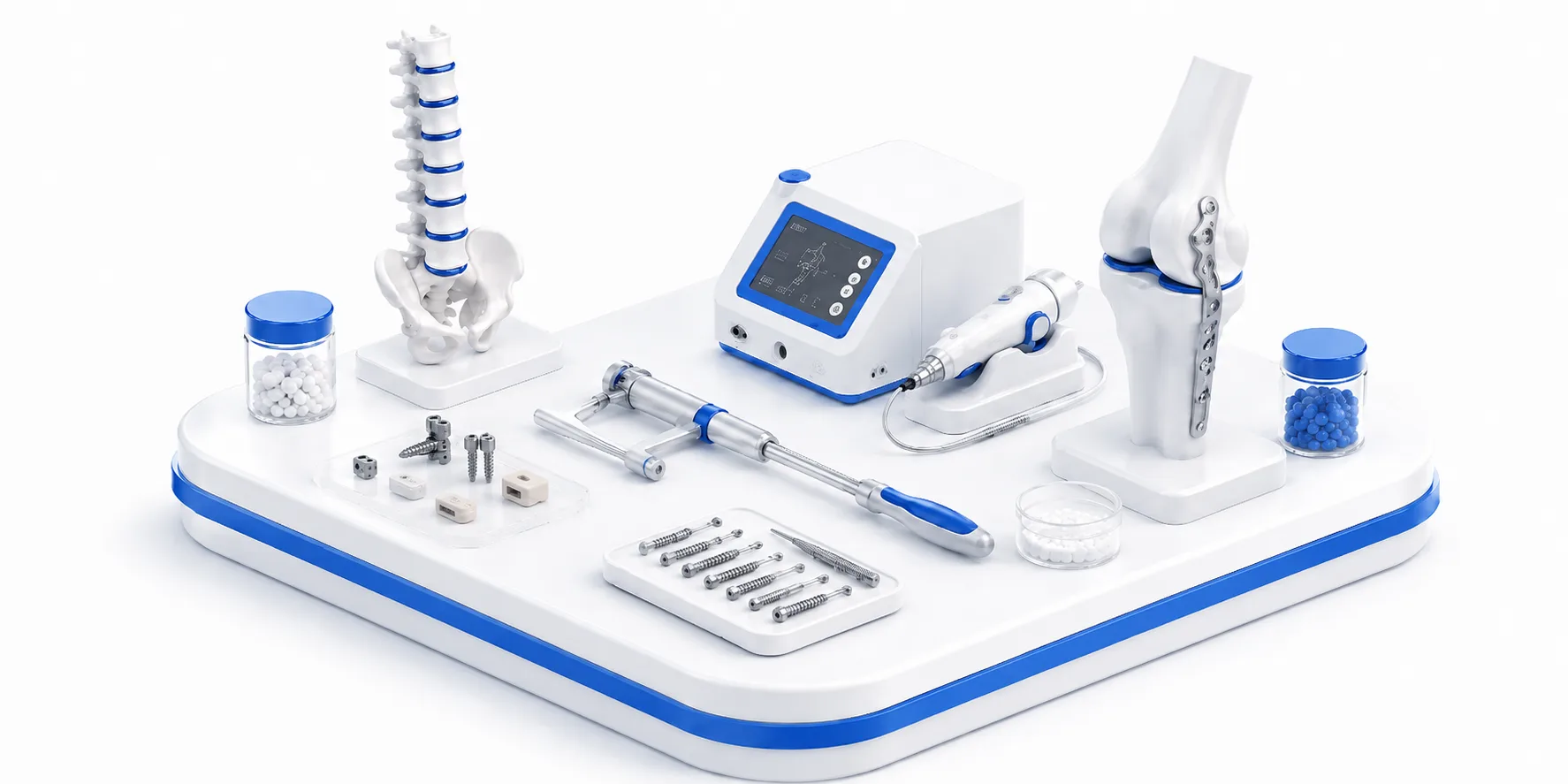



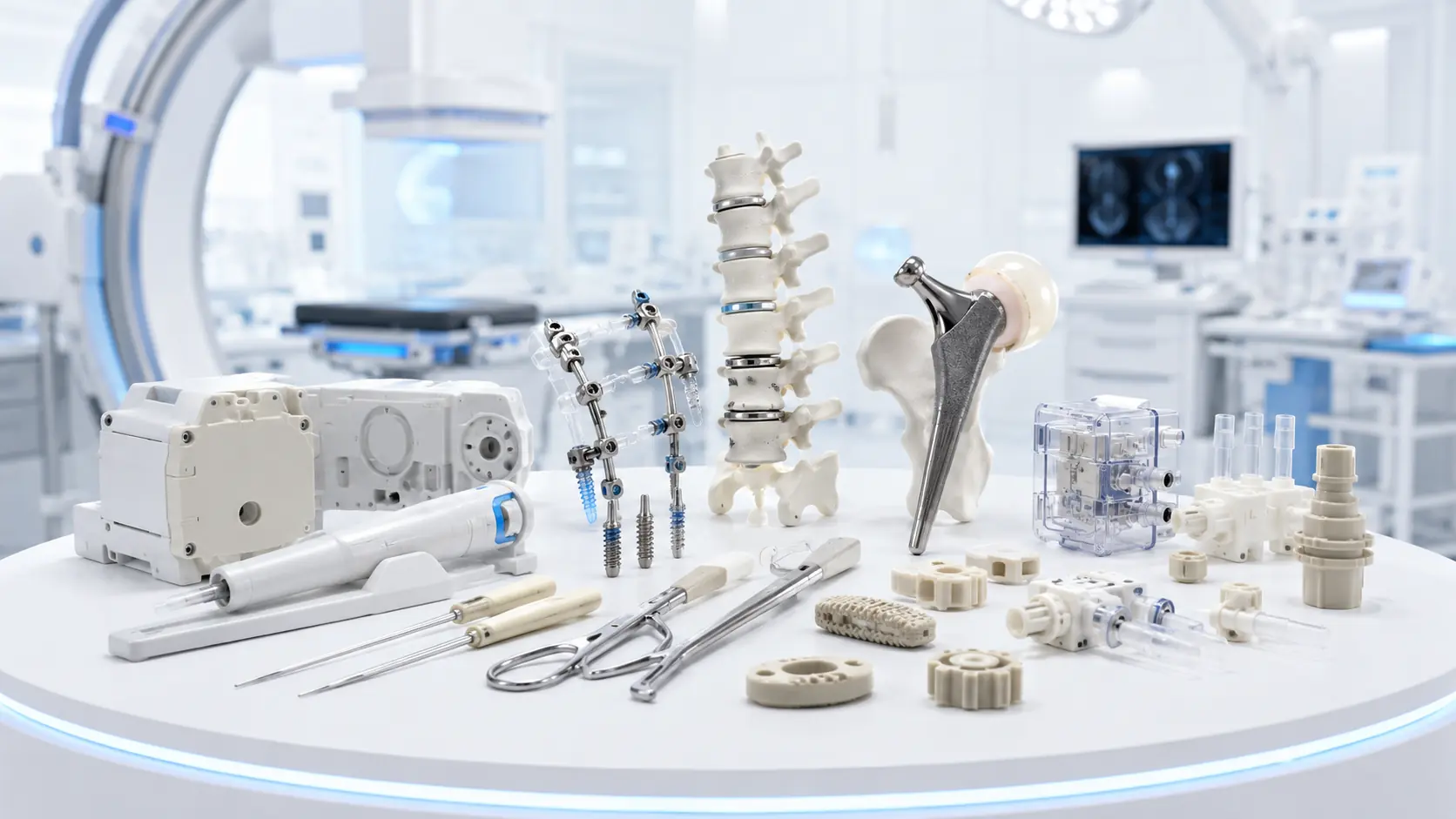
With the rapid development of modern clinical medicine toward minimally invasive, precise, intelligent and reusable solutions, the overall performance of surgical instruments directly affects surgical accuracy, treatment safety and patients’ recovery outcomes. Traditional surgical instruments are mostly made of stainless steel, titanium alloy or general medical plastics, which have obvious limitations when used in high-end minimally invasive surgery, image interventional surgery and scenarios requiring repeated sterilization.
Metallic instruments feature heavy weight, impose high operational load, tend to cause MRI artifacts, and are susceptible to oxidation and corrosion after long-term service. Conventional medical plastics exhibit poor high-temperature resistance; they are prone to deformation and aging under repeated sterilization, suffer low structural precision and carry risks of trace substance precipitation. Therefore, they can hardly meet the strict cleanliness standards and precision operation requirements of modern high-end operating rooms.
Medical-grade polyetheretherketone (PEEK), a special engineering plastic, boasts excellent biocompatibility, outstanding sterilization resistance, high dimensional stability, lightweight yet robust mechanical properties and superior chemical corrosion resistance. It has become the preferred alternative material for core precision components of premium surgical instruments, comprehensively driving quality upgrading and domestic innovation of surgical devices.
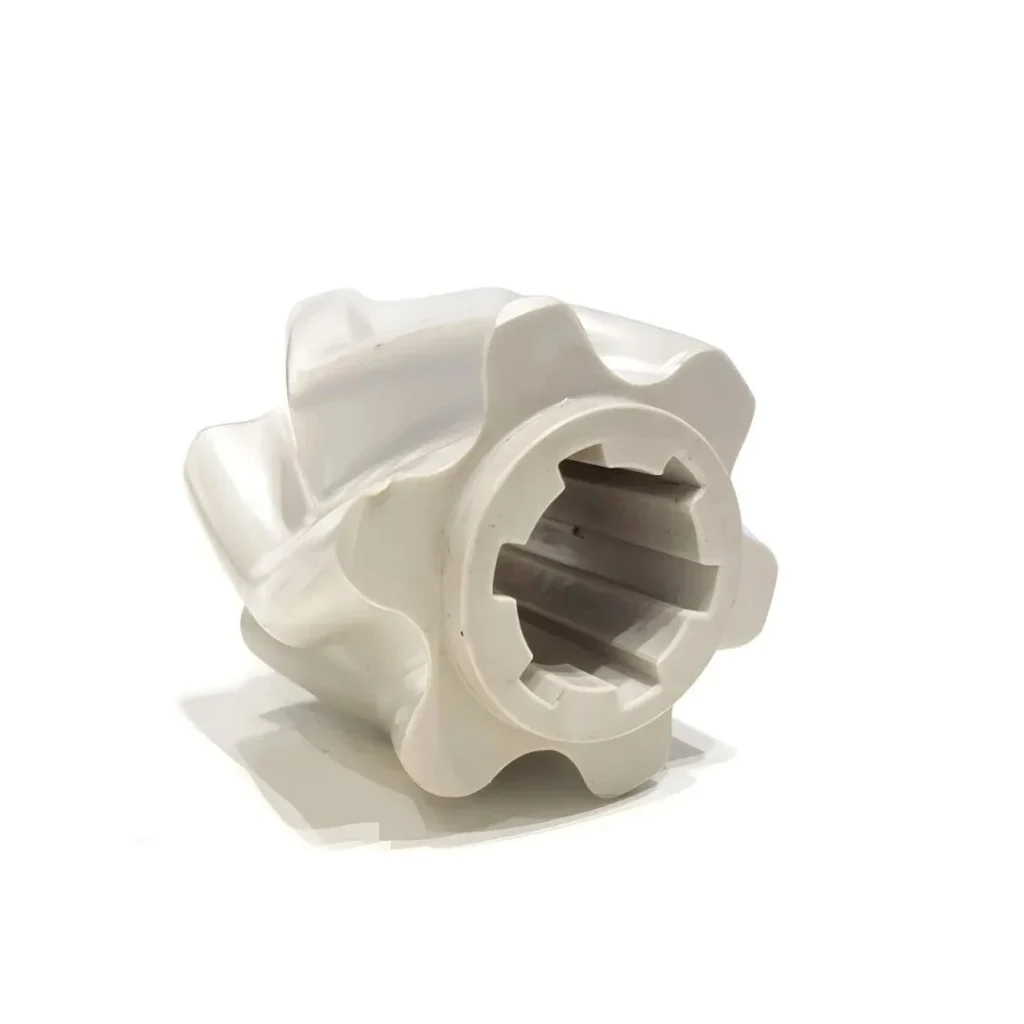
Zero Biosafety Risks to Build Aseptic Barriers for Clinical Diagnosis and Treatment – Core Advantages of PEEK for Surgical Components Medical-grade PEEK has passed rigorous biosafety testing and fully complies with ISO 10993 biological evaluation standards for medical devices. Featuring pure formulation without additives, it generates no toxic precipitates and causes no irritation or sensitization. It can safely come into prolonged contact with human skin, soft tissues, body fluids and mucous membranes. It will not cause secondary trauma to patients during surgery, nor trigger adverse reactions such as inflammation and rejection.
Compared with metallic materials, PEEK delivers excellent biocompatibility. Its smooth, non-porous surface inhibits bacterial proliferation and effectively reduces the risk of intraoperative infection, satisfying stringent cleanliness requirements for sterile operating rooms. Moreover, PEEK is non-magnetic and metal-free. It produces no artifacts or signal interference under CT, MRI and other medical imaging equipment, delivering clear imaging vision for intraoperative navigation, interventional imaging and precise positioning surgery. It fundamentally solves the industry challenge of image occlusion caused by metal instruments that disturbs physicians’ judgment, greatly improving the success rate and safety of precision surgery.
Resistance to Frequent Repeated Sterilization Enables Long-Term Stable Performance Under Medical Disinfection Conditions The stability of surgical instruments after repeated sterilization serves as a critical indicator for evaluating the quality of medical materials. Clinical surgical instruments are frequently subjected to multiple rigorous disinfection processes, including high-temperature and high-pressure steam sterilization at 134°C, gamma irradiation, ethylene oxide (EtO) sterilization and dry heat disinfection. Conventional plastics tend to turn yellow, deform, warp, crack and suffer degraded mechanical properties after several sterilization cycles, making them unfit for reuse and substantially increasing consumable costs for medical institutions.
With an outstanding long-term continuous temperature resistance up to 260°C and exceptional thermal stability, PEEK can withstand hundreds of cycles of autoclave sterilization. After disinfection, components maintain consistent dimensional accuracy, structural strength and appearance without obvious aging, deformation, discoloration or performance degradation. Whether used in conventional surgical instruments or precision minimally invasive interventional devices, PEEK precision components sustain stable performance, extend the service life of reusable surgical instruments and cut hospitals’ costs for equipment replacement and maintenance. It accommodates the efficient, energy-saving and standardized operation mode of modern hospitals.
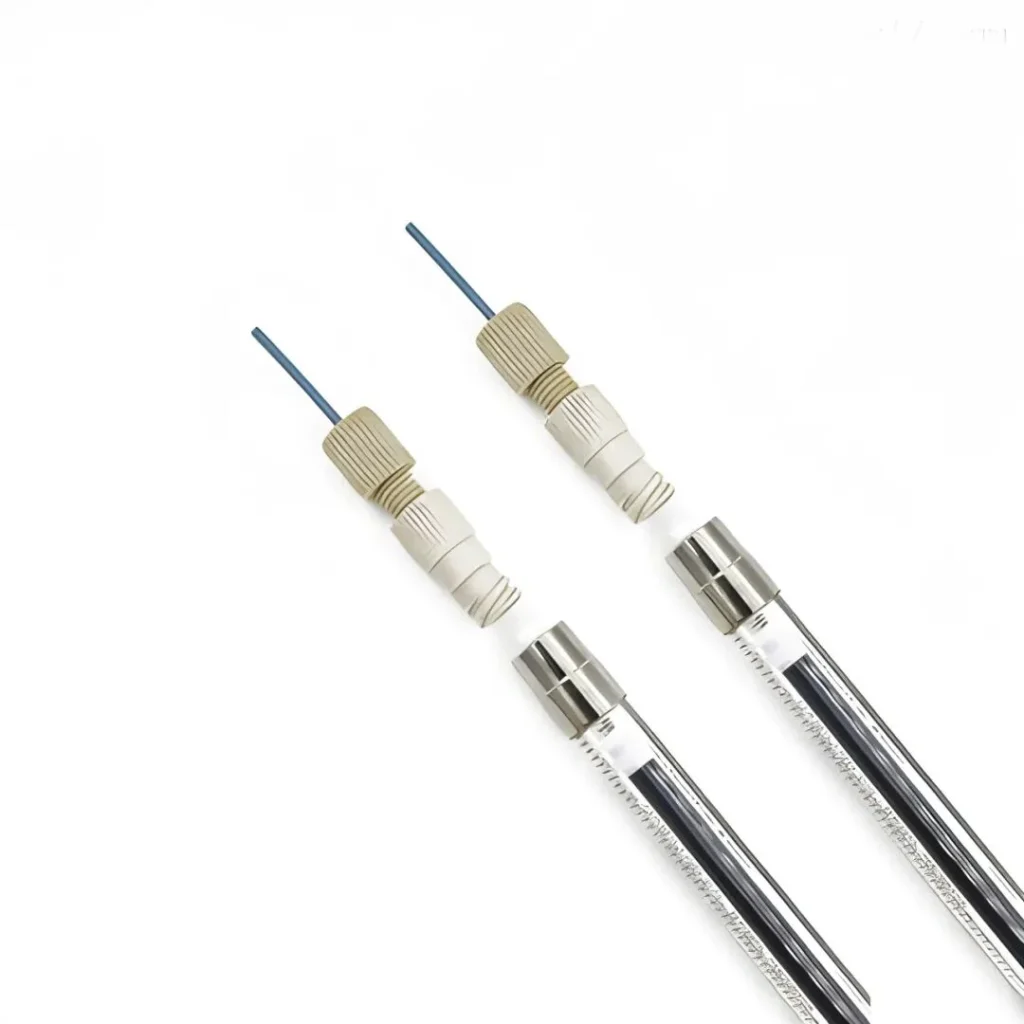
Lightweight & High-Precision Structure Boosts Upgrading of Minimally Invasive Microsurgery Minimally invasive surgery has become the mainstream of surgical treatment, with miniaturization, refinement and lightweight design of instruments as the core development direction. Traditional metal instruments feature heavy weight. Prolonged manual operation easily causes hand fatigue and tremors for surgeons, indirectly compromising surgical precision.
With a much lower density than stainless steel and titanium alloy, PEEK effectively reduces the overall weight of surgical instruments while maintaining high strength and toughness. It lowers the operational burden on medical staff and enhances stability and accuracy during surgery. In addition, PEEK delivers high molding precision, extremely low shrinkage rate and excellent resistance to deformation. It can be processed into a wide range of ultra-fine and miniaturized instrument components, and is widely used in core precision parts of minimally invasive instruments, including sliders, limit clasps, connecting bushings, sealing gaskets, movable hinge assemblies and handle structural components.
The material boasts wear resistance and anti-fatigue performance. It withstands tens of thousands of opening-closing, plugging and reciprocating movements without loosening, jamming or abrasion during long-term service, perfectly meeting the refined, highly sensitive and stable operation requirements of minimally invasive surgery.
Corrosion Resistant & Easy to Clean for Demanding Medical Washing and Maintenance Environments Instruments in operating rooms are routinely exposed to various corrosive media such as iodophor, alcohol, medical disinfectants and acid-base cleaning agents. Ordinary materials tend to swell, crack, fade and suffer functional failure after long-term immersion.
PEEK features outstanding chemical inertness with strong resistance to acids, alkalis, organic solvents and medical disinfectants. No material damage or performance degradation occurs after prolonged cleaning and immersion. Its dense and smooth surface hardly retains blood stains, contaminants or bacteria, enabling convenient and efficient cleaning and maintenance. The instruments can stay clean for extended periods to avoid risks of cross-infection, fully complying with high sanitary standards in the medical industry.
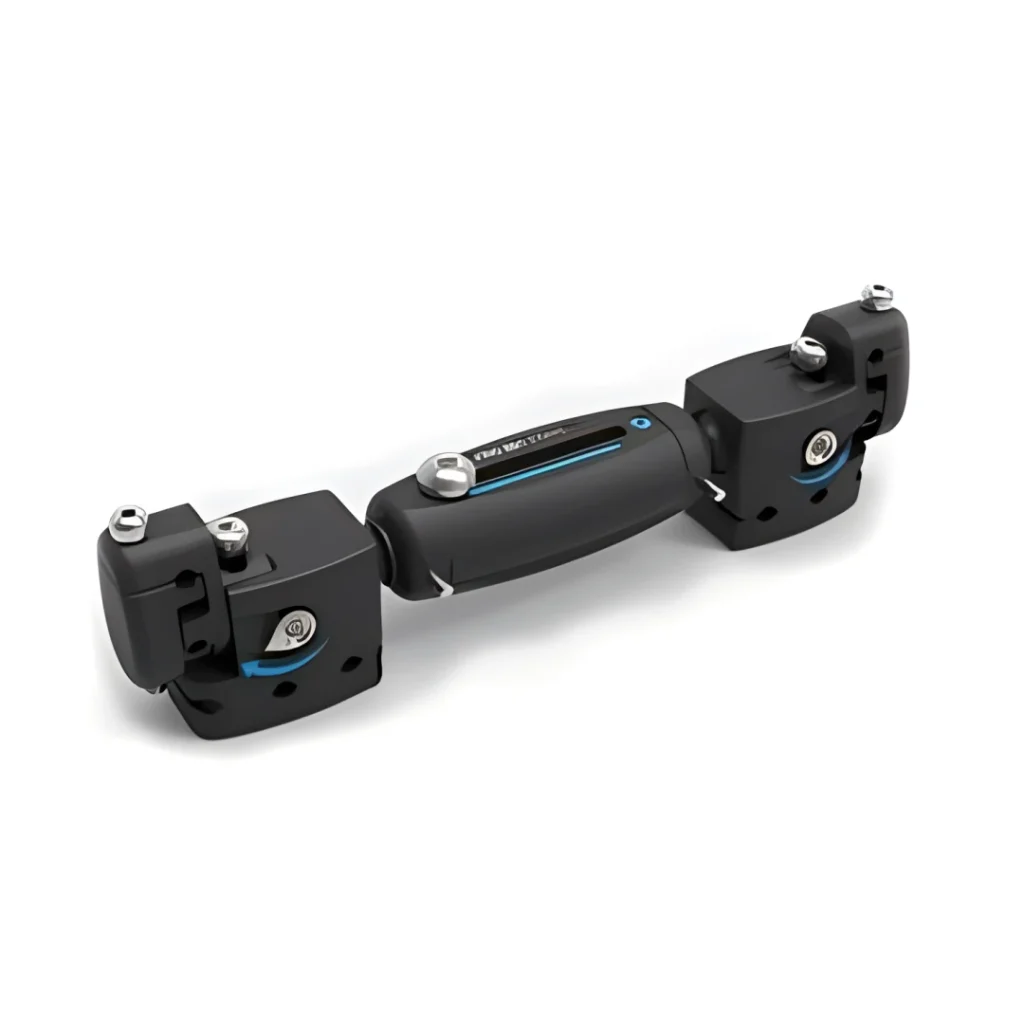
Against the backdrop of rapid localization and high-end development of medical equipment, PEEK fully compensates for the performance deficiencies of traditional medical materials with comprehensive core strengths including biosafety, sterilization resistance, high precision, lightweight property, long service life and easy maintenance. It is widely adopted for precision components of surgical instruments across multiple disciplines such as general surgery, orthopedics, interventional medicine and minimally invasive surgery.
Going forward, PEEK will continue to focus on the high-end medical equipment sector, continuously optimize material properties and precision processing technologies, and deliver solid and reliable core material support for the upgrading of modern precision medicine, minimally invasive treatment and intelligent surgical equipment.